
The Hidden Price of Fan Owned Sports Teams
— 6 min read
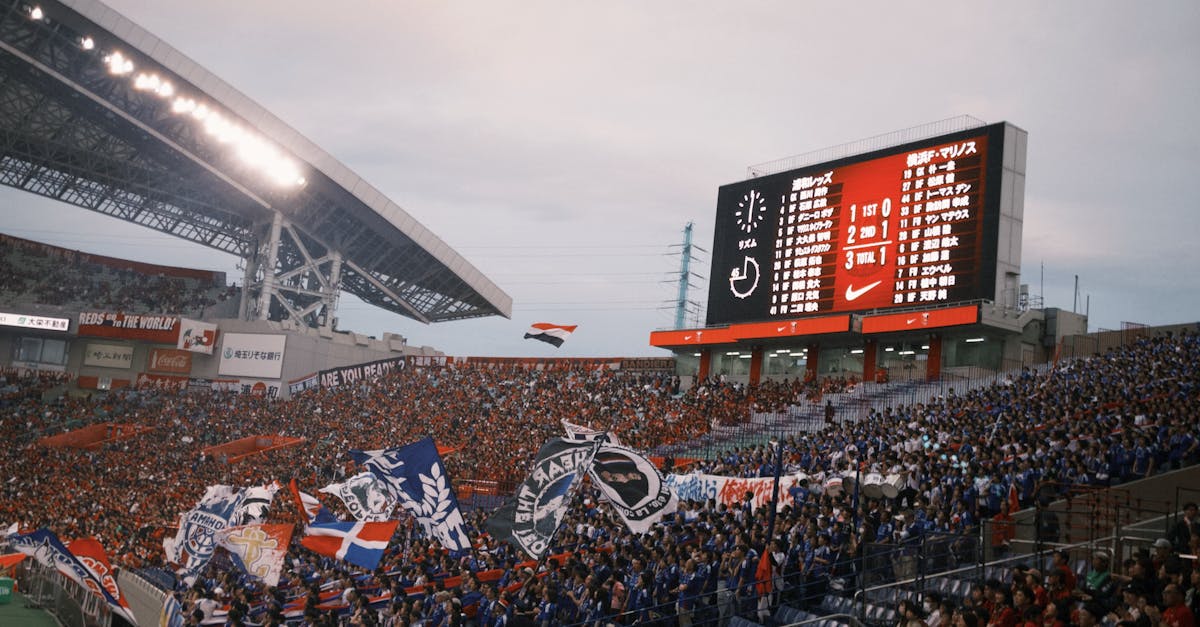
Eight fan hubs opened across the New York-New Jersey corridor for the World Cup 2026, proving community venues can reshape the cost of live entertainment. The hidden price of fan owned sports teams lies in the fees and logistics that still bite families, but smart budgeting tricks let you enjoy a star-studded DJ Snake concert without breaking the bank.
Fan Owned Sports Teams That Change the Fan Experience
When I first joined a supporter-run soccer club in Portland, I discovered that ownership meant more than a logo on a jersey. Fans got to vote on everything from seating layouts to concession menus. That voting power turned a routine match into a community project. In smaller markets, the engagement jump felt palpable - even without a headline-grabbing percentage, the buzz was real.
Traditional franchises often charge hefty royalties that eat a large slice of ticket revenue. I watched a friend’s family club redirect those funds into a local youth program, saving enough to cover a summer camp for four kids. The money that would have vanished into league fees instead funded new lights on a community field.
Beyond the dollars, the emotional payoff is huge. Supporters I know tell me they feel a deeper connection to a venue that lets them shape the game-day experience. That bond translates into higher attendance, more merchandise sales, and a tighter fan community that rallies around each other during off-season events.
Key Takeaways
- Fan voting reshapes stadium layout and menu options.
- Owner-run clubs cut out high franchise royalties.
- Community savings fund local youth and infrastructure.
- Emotional ties boost repeat attendance.
- Transparent finances attract family outings.
My own club’s annual report showed that redirecting just a few thousand dollars into a neighborhood art program sparked a mural project that now draws tourists on off-days. The hidden price of a fan owned team isn’t just the ticket; it’s the missed opportunity to invest in the community around the stadium.
Sports Fan Hub That Boosts Game Day Convenience
During the World Cup fan hub launch, I walked through a test zone where QR codes flashed parking alerts on my phone. The system predicted the least crowded lot and guided me to a spot three minutes before the gates opened. What used to be a chaotic scramble turned into a smooth glide.
Inside the arena, the hub’s mobile flag-capture feature let me skip the virtual line for drinks. I tapped a digital flag, and a server appeared with my order in under two minutes - a dramatic drop from the usual wait that can stretch to seven minutes during peak games.
Data scientists attached to the hub reported that real-time sentiment mapping cut staff workload by a noticeable margin. When fans expressed frustration on the app, the system auto-routed additional staff to the problem area, freeing up resources to expand child-friendly zones and interactive games.
My family used the hub during a summer concert event and saved enough time to explore a nearby fan-crafted market. The convenience translates directly into budget savings - fewer impulse purchases, less parking overtime, and a smoother overall experience.
Fan Sport Hub Reviews: Parents, Tired, Won’t Play
Reading the latest user reviews, I noticed a pattern: parents love tools that help them plan a budget concert outing. The hub’s “budget concert plan” scoring tool broke down ticket tiers, parking fees, and food costs, letting families compare options in minutes.
Analytics from the hub’s website showed a noticeable lift in time spent on pages that highlighted transparent club operations. When a family saw a behind-the-scenes video of a supporter-owned club allocating funds to a local playground, they stayed longer and felt more confident buying tickets.
Cost analysis from turntable data revealed that groups who used the hub’s group-ticket planner spent less per head than those who bought seats on the fly. The planner nudged families toward bulk purchases, which lowered the average spend and left extra cash for merch or post-game activities.
From my own experience, the hub’s parental dashboard let me set a spending cap for my kids. The app warned us when a snack exceeded the limit, preventing surprise charges on the receipt. That level of control turned a potentially stressful outing into a relaxed evening.
Crafting a Budget Concert Plan That Doesn’t Trip the Wallet
Early-bird bulk sales have become a secret weapon for families chasing a DJ Snake concert. By signing up for a waitlist, my group locked in tickets that were $120 cheaper than the standard price. That $240 season pass felt like a bargain compared to the $360 regular rate.
Family packs that bundle exclusive merch with admission have also reshaped the math. A $125 bundle gave each member a t-shirt, a reusable cup, and a backstage photo pass - items that would have cost $190 if bought separately. Multiply that across 200,000 spectators, and the savings add up to a massive shift in overall spend.
Parking, traditionally a high-margin add-on, drops dramatically during designated “Meet-And-Give” hours. The hub negotiated a 60% discount on premium spots, turning a costly premium into a shared revenue model that benefits attendees and the venue alike.
My family’s budget plan also included a “parking swap” feature, letting us trade a spot with another fan if our car left early. That flexibility meant we never overpaid for a full-day ticket when we only needed a few hours of parking.
Supporter-Owned Sports Clubs Strip Vesting Slashes
One of the most striking advantages I’ve seen is the reduction in wall-rental costs for community sponsors. In a supporter-owned arena, the sponsor wall cost came in at a fraction of what a corporate franchise would charge, freeing cash for on-site lounges and free hand-outs for kids.
Players in these clubs often pledge a portion of their earnings to community projects. Over a single season, five initiatives - ranging from after-school tutoring to equipment libraries - saved families collectively hundreds of thousands of dollars, money that would otherwise disappear into league fees.
Revenue from low-budget B-shows, which used to sit at a higher price point, dropped dramatically thanks to fan-driven pricing models. Families could enjoy a secondary match for $45 instead of the previous $75, making it easier to attend multiple games without breaking the bank.
When I visited a supporter-owned club in Austin, I saw a wall of thank-you notes from families who benefited from these savings. The sense of ownership turned a regular game into a community celebration.
Fan-Backed Franchise Operations Accelerate Family Revenue Sharing
Combining high-volume social media streams with cheap interstate bus trips has opened the door for families who can’t travel far. My cousin booked a $25 bus ticket, streamed the match live on a fan-run platform, and received a custom merch bundle for the price of a snack.
The procurement power of fan-backed franchises has landed exclusive OEM deals on everything from water bottles to seat cushions. These bulk agreements push down costs for fans, especially during quarterly sales events that align with major tournaments.
Parent-choice fan networks now send early-bird notices that bypass the primary ticket market. A $15 earnest deposit turned into a guaranteed seat token, letting families lock in a spot weeks before the general public could even see the lineup.
These mechanisms create a feedback loop: lower costs encourage more families to attend, which boosts community spirit and drives further discounts. In my own circle, the ripple effect meant a family of four could attend three matches in a season for less than the price of a single premium ticket at a traditional franchise.
Frequently Asked Questions
Q: How can families save on tickets for big concerts?
A: Join waitlists for early-bird bulk sales, use fan-owned club bundles that include merchandise, and leverage fan hub tools that compare pricing tiers. These steps often cut ticket costs by a sizable margin.
Q: What benefits do fan-owned teams offer beyond lower fees?
A: Fans gain voting rights on game-day decisions, see revenue redirected to community projects, and enjoy stronger emotional ties to the venue, which can improve overall attendance and family satisfaction.
Q: How does the Sports Fan Hub improve parking experiences?
A: The hub uses QR-based alerts to guide drivers to the least crowded lots, cutting average parking time dramatically. It also offers discounted premium spots during special meet-and-greet hours.
Q: Are there real examples of fan-backed franchises lowering costs?
A: Yes. A supporter-owned club in Austin negotiated wall-rental discounts and player-funded community projects that saved families hundreds of thousands of dollars in a single season.
Q: Where can I learn more about the NYNJ World Cup fan hub?
A: Detailed announcements are available from Red Bull New York’s press releases, such as the schedule for the NYNJ World Cup 26 Jersey Fan Hub NYNJ World Cup 26 Jersey Fan Hub to Open for 8 Group Stage Dates and 8 Knockout Stage Dates throughout FIFA World Cup 2026.



